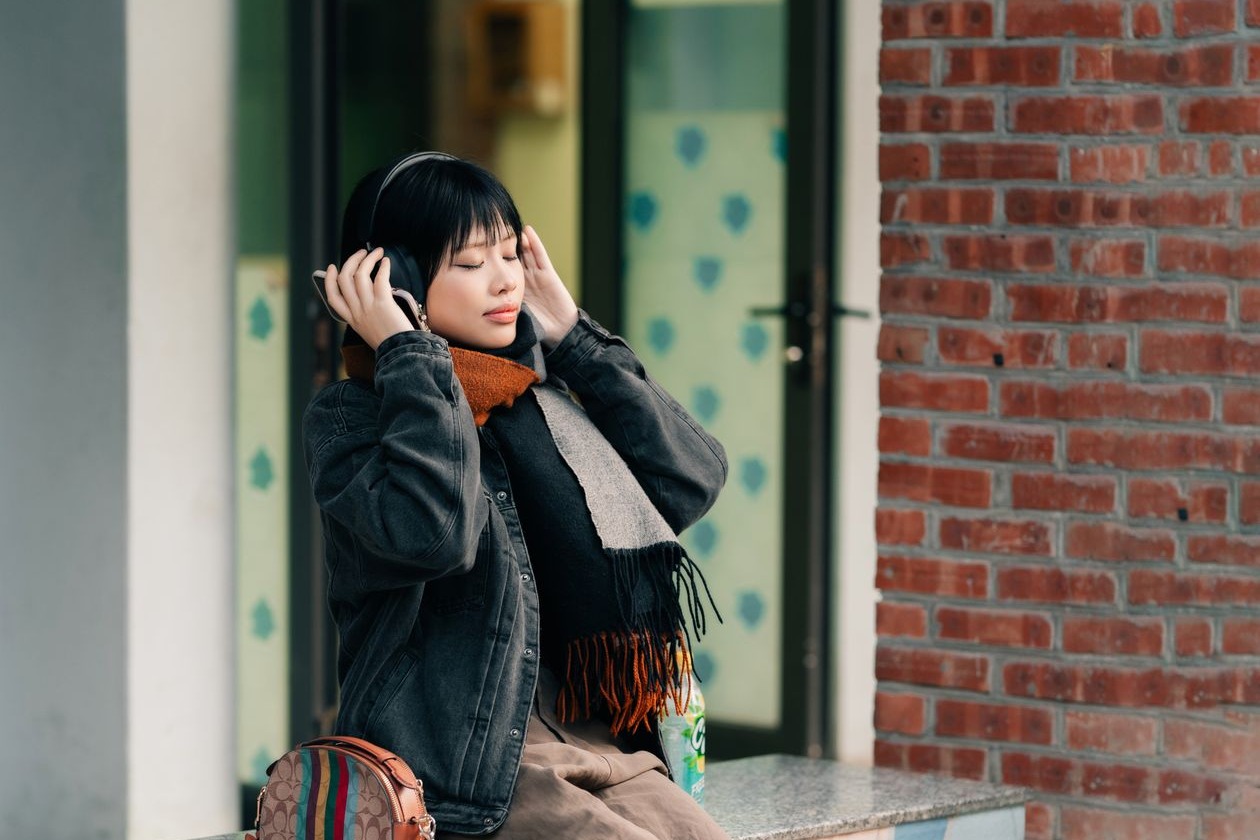
Picture a summer concert with the bass in your chest, or a Saturday afternoon spent behind the lawn mower, or a long commute with earbuds turned up to drown out the train. These moments feel harmless in the moment, but noise exposure is cumulative, and it is often ordinary, everyday sound that quietly does the most damage over the years.
Noise-related hearing loss happens when the tiny hair cells in the inner ear are overworked or damaged. Unlike a bruise, these cells do not regenerate, so the damage is permanent. Both loudness and duration matter: a very loud sound can cause harm quickly, while moderate noise becomes risky when the exposure stretches on for hours.
Public health researchers have raised concern about recreational noise in particular. The World Health Organization has estimated that more than a billion young people worldwide may be at risk of hearing loss from unsafe listening habits, including personal audio devices and loud entertainment venues. Studies have also linked long-term noise exposure to a higher likelihood of tinnitus, that ringing or buzzing that lingers after the noise stops.
The encouraging part is that noise-related hearing loss is largely preventable. A few practical habits go a long way.
Start with your earbuds. A widely recommended guideline is the 60/60 rule: keep the volume below 60 percent and limit continuous listening to 60 minutes at a time. If someone next to you can hear your music, it is too loud. Noise-cancelling headphones can help too, since they let you hear clearly at lower volumes instead of cranking it up to compete with background noise.
For loud events and loud chores, reach for earplugs. Disposable foam plugs are inexpensive and effective, and higher-fidelity plugs lower the volume evenly so music still sounds good. Keep a pair in your bag, your car, and your toolbox. Lawn mowers, leaf blowers, power drills, and table saws all run loud enough to warrant protection, and so do concerts, sporting events, and fireworks displays.
Distance and recovery matter as well. At a concert, moving even a few rows back from the speakers meaningfully reduces the sound reaching your ears. After a noisy stretch, give your ears a genuine quiet break rather than swapping one loud environment for another.
For those who work in loud environments, hearing protection is not optional. Ask your employer about the options available, and make regular hearing check-ups part of your routine so any changes are caught early.
Your hearing is worth protecting, one decibel at a time.
Concerned about your hearing, for yourself or a loved one? Book a comprehensive hearing assessment at The Hearing Beyond Audiology Clinic. Personalized hearing health care, right here in North York.
Photo by Hòa Lê Đình on Pexels.