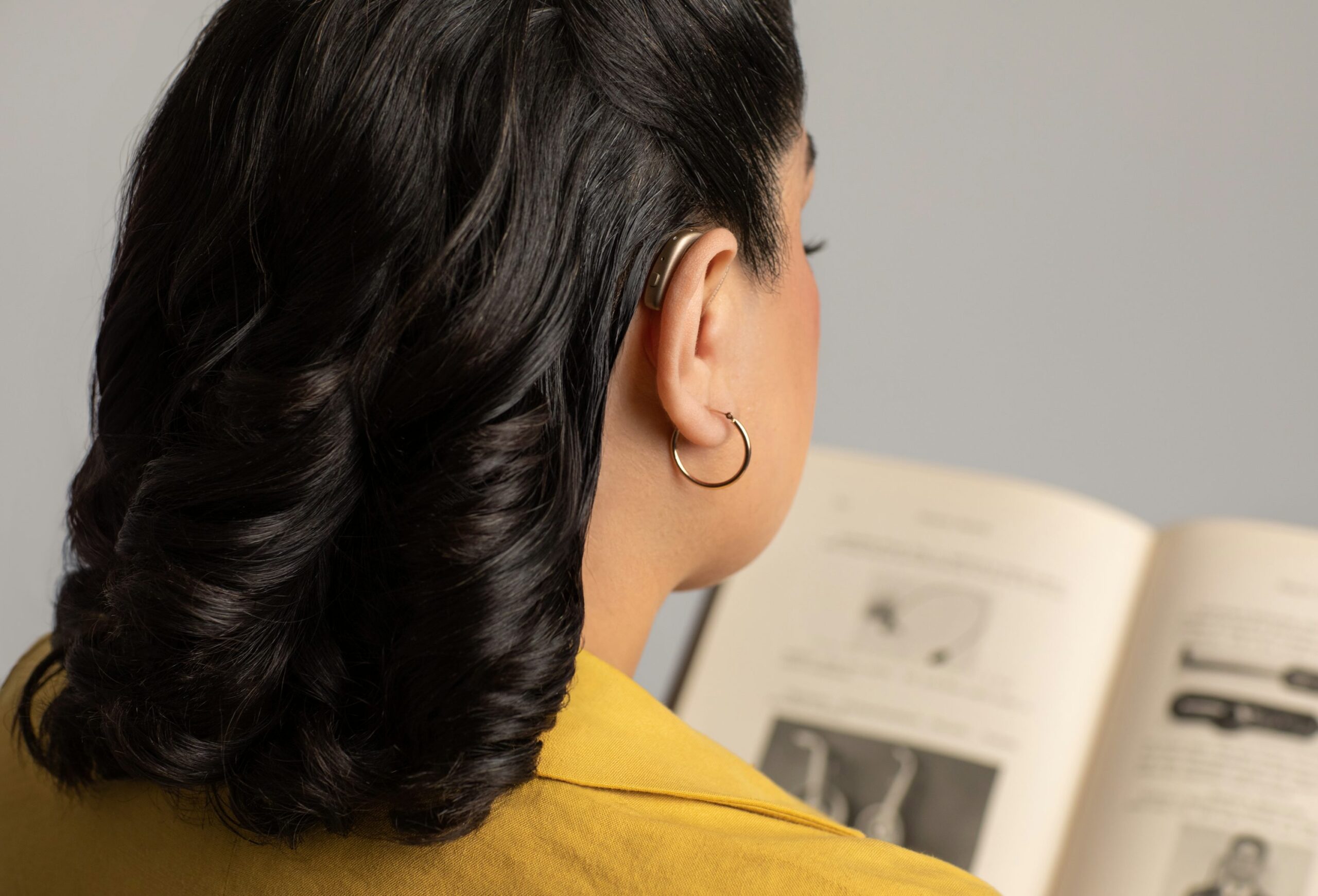
A hearing aid whistle can be startling, especially in a quiet room, during a hug, or in the middle of a conversation. The sound is usually feedback, and understanding what causes it makes it easier to deal with.
Feedback happens when amplified sound escapes from the ear canal and is picked up again by the hearing aid microphone. The aid amplifies that sound once more, and the loop produces the familiar high-pitched squeal. Modern aids include feedback management systems designed to reduce this loop, but feedback can still occur when the fit changes, when something sits close to the ear, or when the aid needs attention.
Fit is one of the most common factors. A dome or earmold that is not seated fully, that has loosened over time, or that no longer matches the ear canal may let more sound leak out. Gently reseating the dome or earmold, so it sits snugly and comfortably, is often the first step worth trying. If a dome keeps slipping, feels loose, or is cracked or torn, it may need to be replaced with the correct size and style.
Earwax can also play a role. Wax buildup in the ear canal, or a blocked wax guard, is linked to changes in sound quality, including dull or thin sound and increased feedback. If sound has become weaker on one side, checking and changing the wax guard is a sensible first step. Wax guards are small and easy to overlook, but a blocked guard can change how sound travels through the device.
Objects near the ear are another frequent trigger. A hand cupped around the ear, a phone held tightly against it, a hat pulled low, a scarf, or a hug can reflect sound back toward the microphone and briefly start feedback. In many cases, the whistle stops as soon as the object moves away. Noticing the pattern can be reassuring: feedback that only appears when something is close to the ear is often linked to that reflection, rather than to a fault in the device.
Turning the volume up to cover a whistle can also make feedback more likely, since the aid is amplifying more sound overall, including any sound that leaks out.
A professional check is worthwhile when feedback is new and constant, much louder on one side, does not settle after reseating the aid and checking the wax guard, or appears alongside a sudden change in hearing. That pattern may be linked to a fit issue, a blocked receiver, earwax, or a change in hearing that calls for a new setting. An appointment can check the dome size, the receiver, and whether the settings still match the current hearing levels.
Whistling does not automatically mean a hearing aid needs replacing. In many cases, a small adjustment to fit or a fresh wax guard is enough to quiet it, and noting when feedback happens gives useful clues for sorting it out.
If your hearing aids whistle often, or feedback keeps coming back, contact Hearing Beyond to book a hearing aid check.
*Photo by GN Group on Unsplash.*